|
previous year -
next year
 December 29, 2010
Palomar Mountain Volunteer Fire Department uses HPWREN for emergency
communications during weather emergency
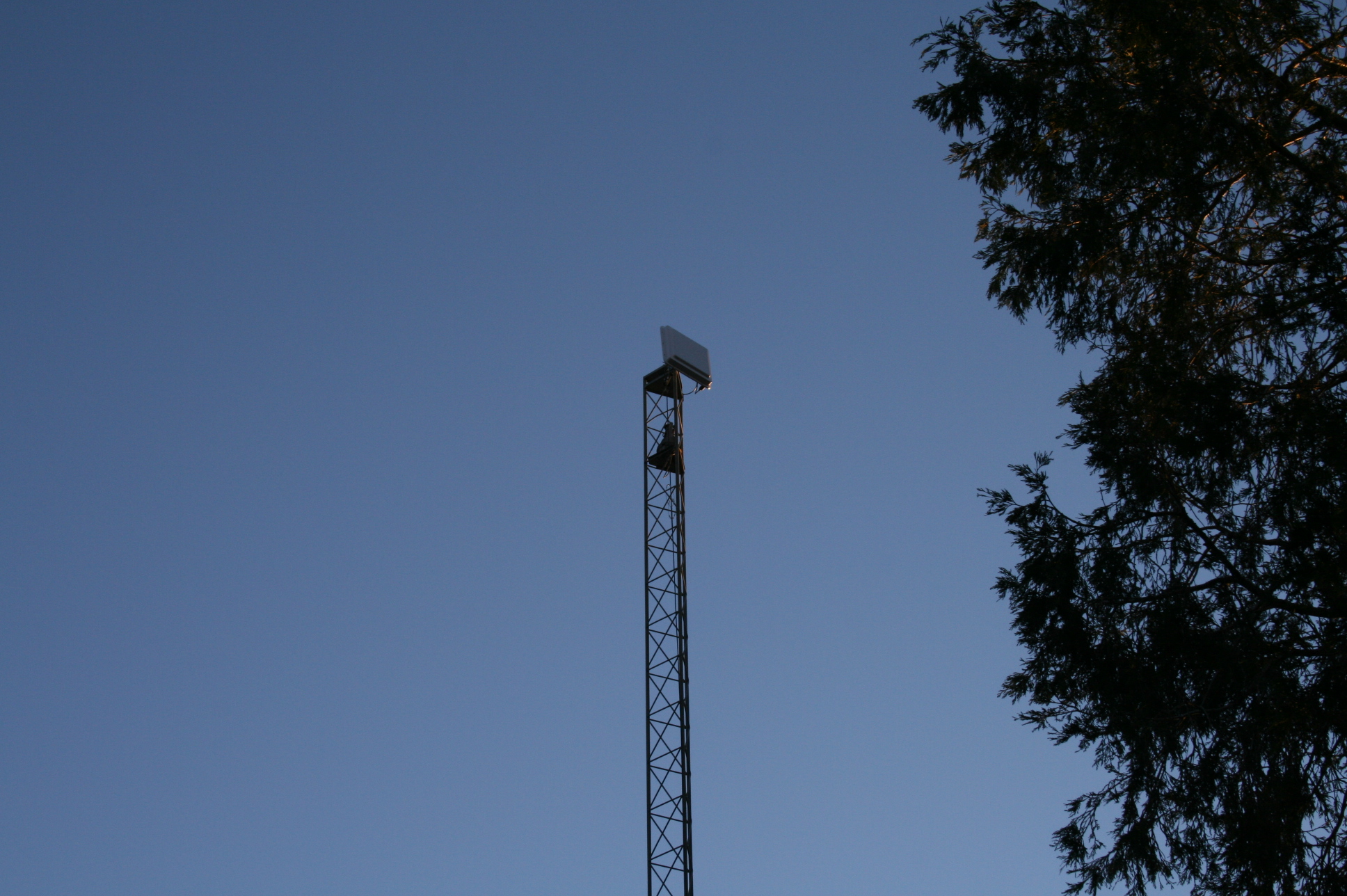
On December 4th, the Palomar Mountain Volunteer Fire Department
station was connected to HPWREN network, via wireless link from the
station to the Palomar Observatory.
 December 28, 2010
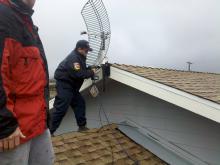
Rainbow Conservation Camp and SDCFA Station 58 are now connected to
HPWREN
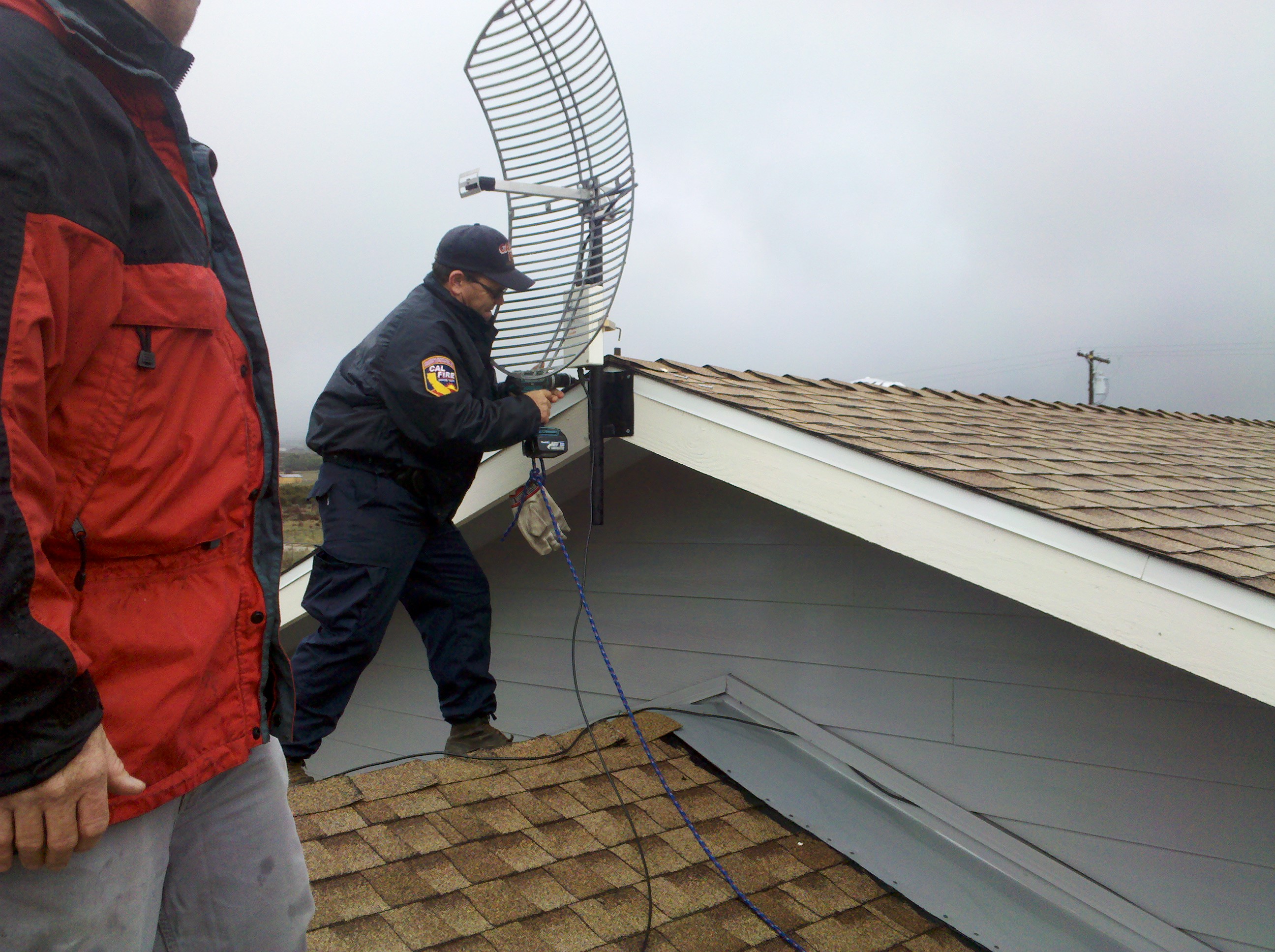
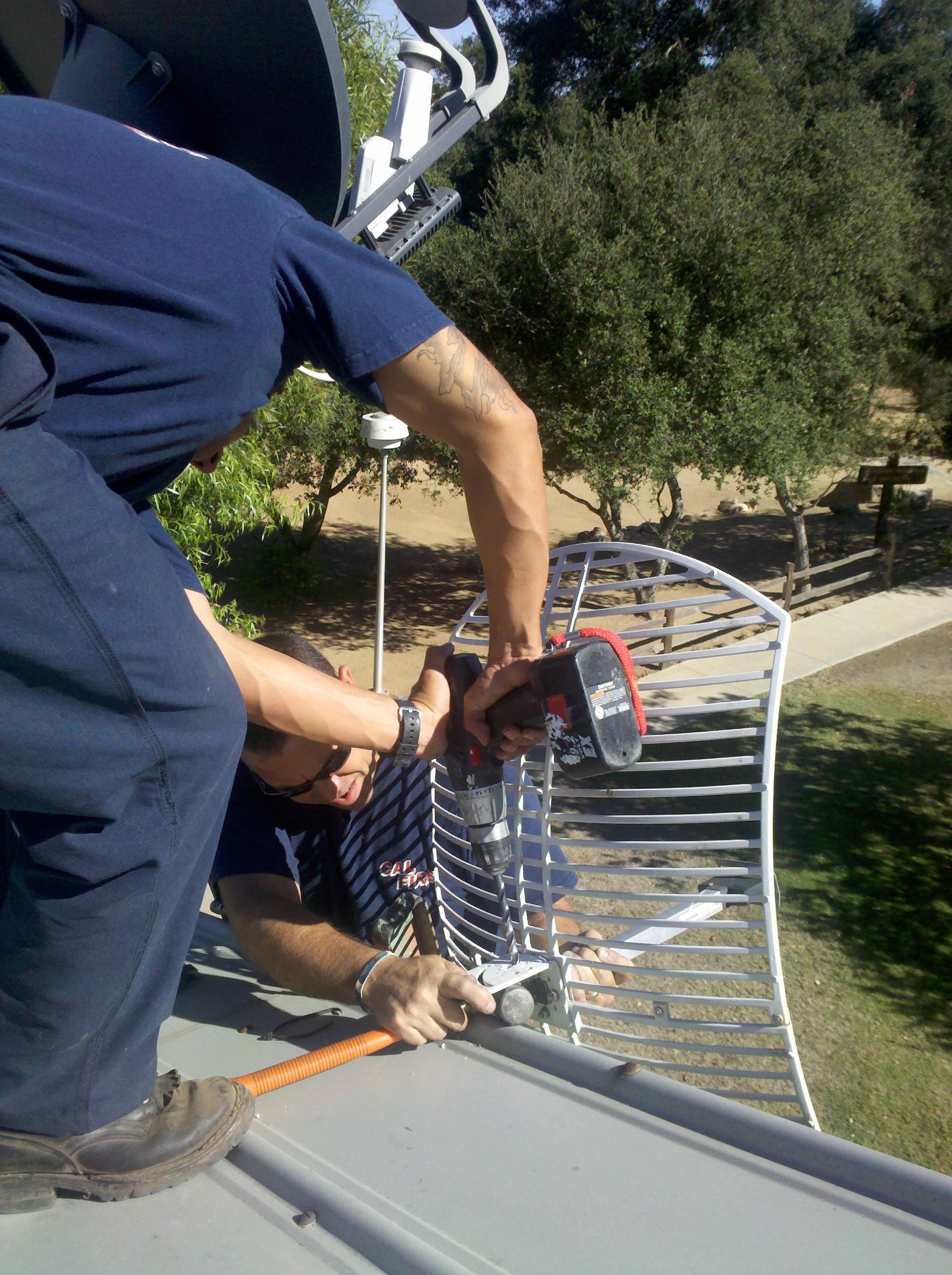
A combined team of HPWREN and CAL FIRE staff installed HPWREN
connectivity at the Rainbow Conservation Camp and at the San Diego
County Fire Authority Station 58 in Ranchita.
 December 26, 2010
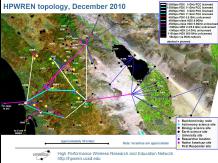
The 2010 9th Annual HPWREN Users Workshop was held at the San Diego
Supercomputer Center
The 9th Annual HPWREN Users Workshop was hosted by the San Diego
Supercomputer Center on December 3rd, 2010. The main initial topic was
a summary of the HPWREN status, followed by a review of the HPWREN
Sustainability Working Group findings. In addition, a small set of
user updates wer presented from the research, education, and first
responder areas.
 October 26, 2010
San Diego County and CAL FIRE Team with UC San Diego Researchers on
Early Fire Detection System
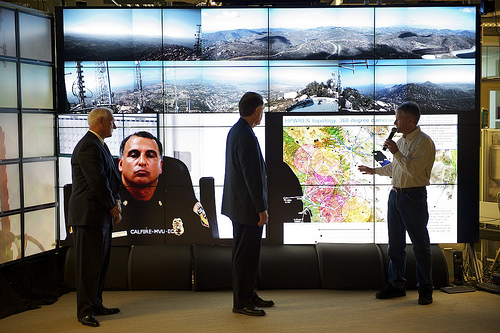
Researchers from the University of California, San Diego have
installed 16 cameras on Mount Woodson and Red Mountain to provide
360-degree coverage extending for miles from those peaks to make it
easier and faster to detect or monitor wildfires in unincorporated
areas of San Diego County. The FireSight project extends the
UCSD-based High Performance Wireless Research and Education Network
(HPWREN) in areas where fire officials saw the greatest need.
 October 25, 2010
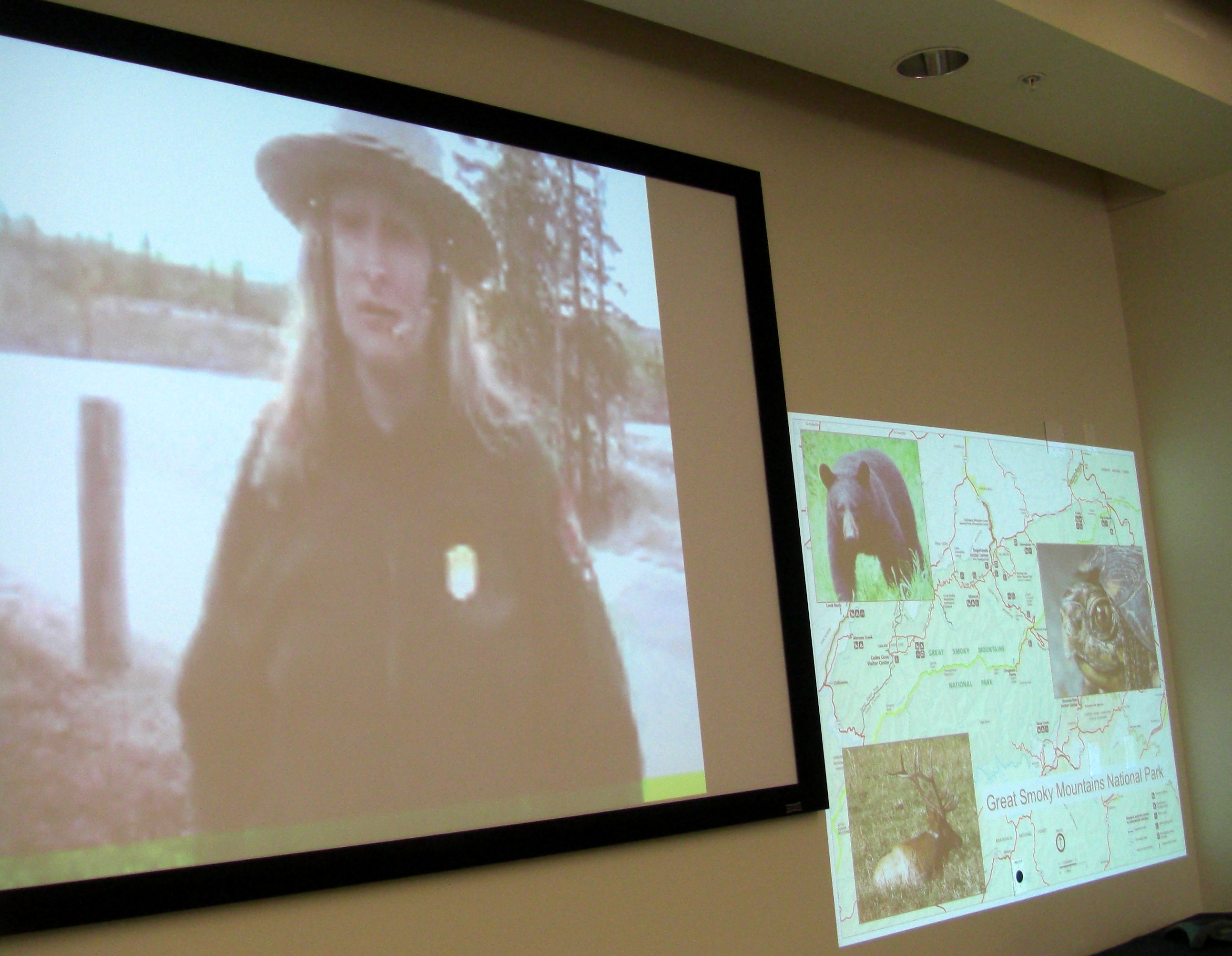
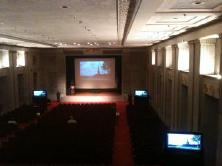
Live Interactive Virtual Explorations (LIVE) Activities are Showcased
at Department of Interior Diversity Days
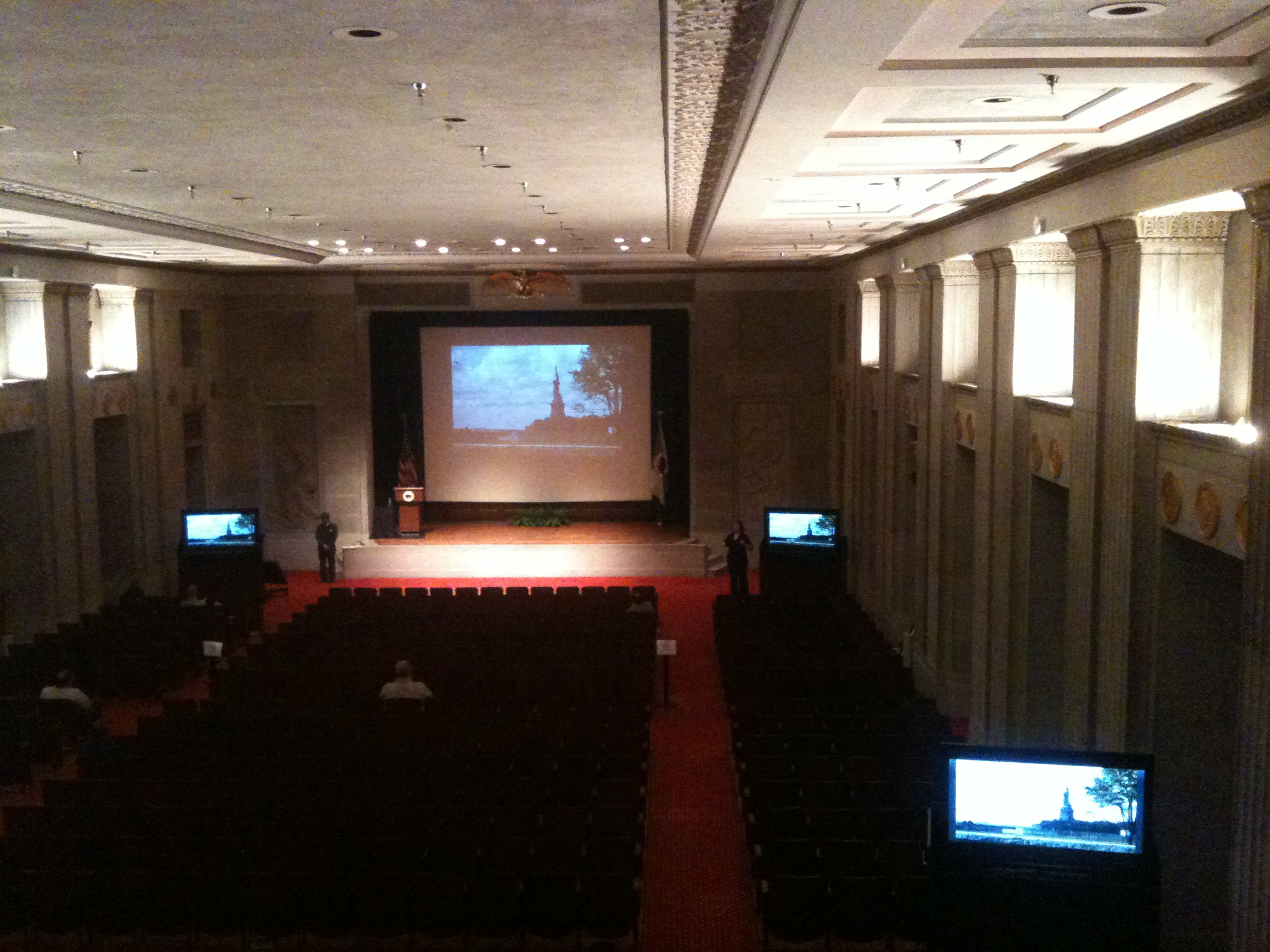
Federal employees and members of the public experienced an array of
National Parks via Live Interactive Virtual Explorations (LIVE) at the
Department of Interior (DOI) Diversity Days event in Washington, DC on
October 13-14. The LIVE activities allowed audiences at the DOI Main
Interior Building (MIB) to experience hard-to-reach culturally-diverse
sites throughout the country and interact with National Park Service
rangers without leaving the city of Washington, DC.
 October 19, 2010
Additional CAL FIRE station connected to HPWREN
An additional CAL FIRE Station 86 located at the base of Mount Woodson
in Ramona is now connected to HPWREN. This is the Battalion
Headquarters station and much of the business that affects daily
wildland and other emergency operations for the battalion takes place
from this location.
 October 15, 2010
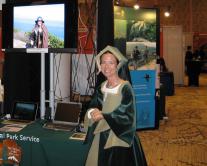
The National Park Service (NPS) and HPWREN hosted several booths at
the 2010 Hispanic Association of Colleges and Universities (HACU)
conference in San Diego.
At the invitation of NPS Southeast Regional Director, David Vela,
Cabrillo National Monument, the High Performance Wireless Research and
Education Network (HPWREN), the Southern California Research Learning
Center (SCRLC), Biscayne National Park, the Santa Monica Mountains
National Recreation Area designed and staffed interactive
demonstrations and booth exhibits at the 2010 Hispanic Association of
Colleges and Universities (HACU) conference in San Diego.
 September 3, 2010
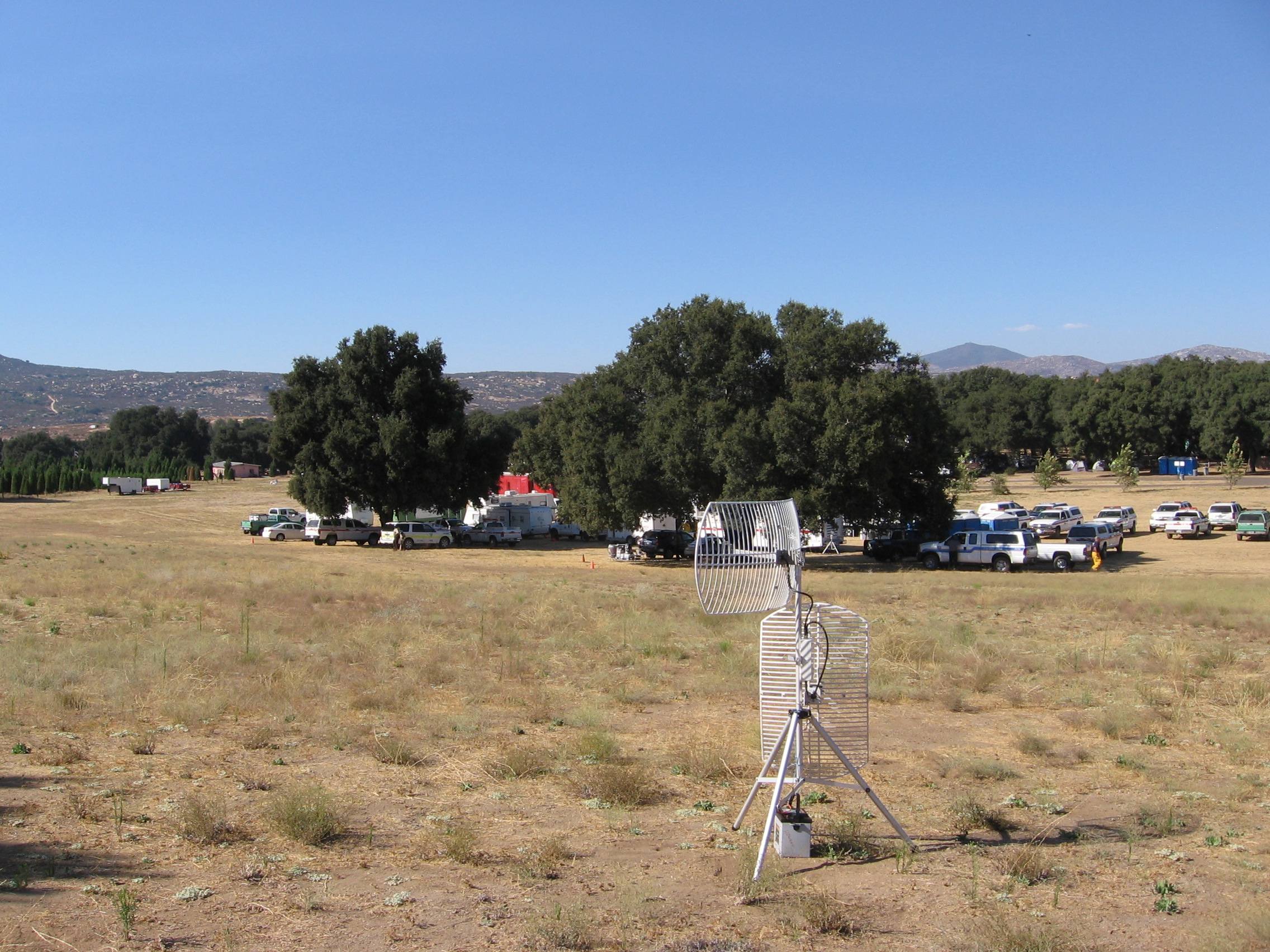
Cowboy Fire required HPWREN to deploy its seventh firefighter Incident
Command Post connection
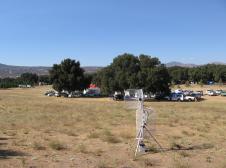
On September 2, 2010 the Cowboy Fire started at approximately 13:10
near the Pacific Crest Trail, between Campo and Potrero and southwest
of the community of Lake Morena. Based on a request from Cal Fire,
HPWREN connected the Incident Command Post.
 August 20, 2010
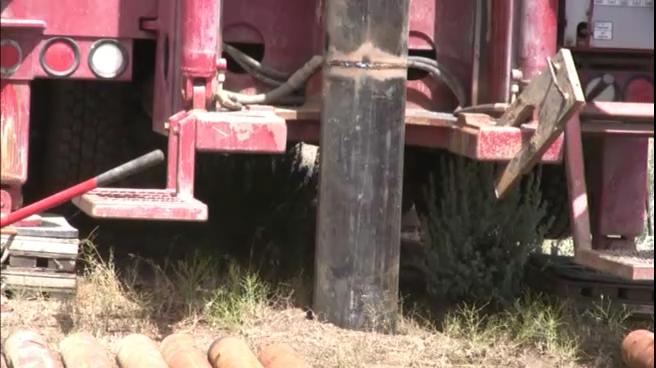
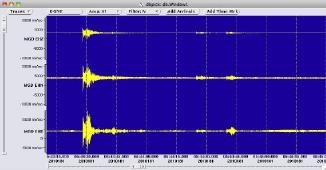
New earthquake sensor deployment by UC San Diego and UNAVCO near Anza, CA
This article includes a video about new earthquake sensor deployment
on the San Jacinto fault near Anza, CA, which HPWREN will connect.
 July 6, 2010
HPWREN partnership with TDVnet facilitates deployment of UC Santa
Barbara seismic sensors on Native American land
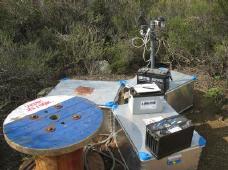
UCSB and the Southern California Earthquake Center (SCEC) has deployed
a seismological station at the Tribal Digital Village Network (TDVnet)
Mesa Grande backbone site, to gain better coverage in the area, should
the Elsinore Fault be the next to go in the Northwest extension of the
M7.2 El Mayor event and its aftershocks.
 July 1, 2010
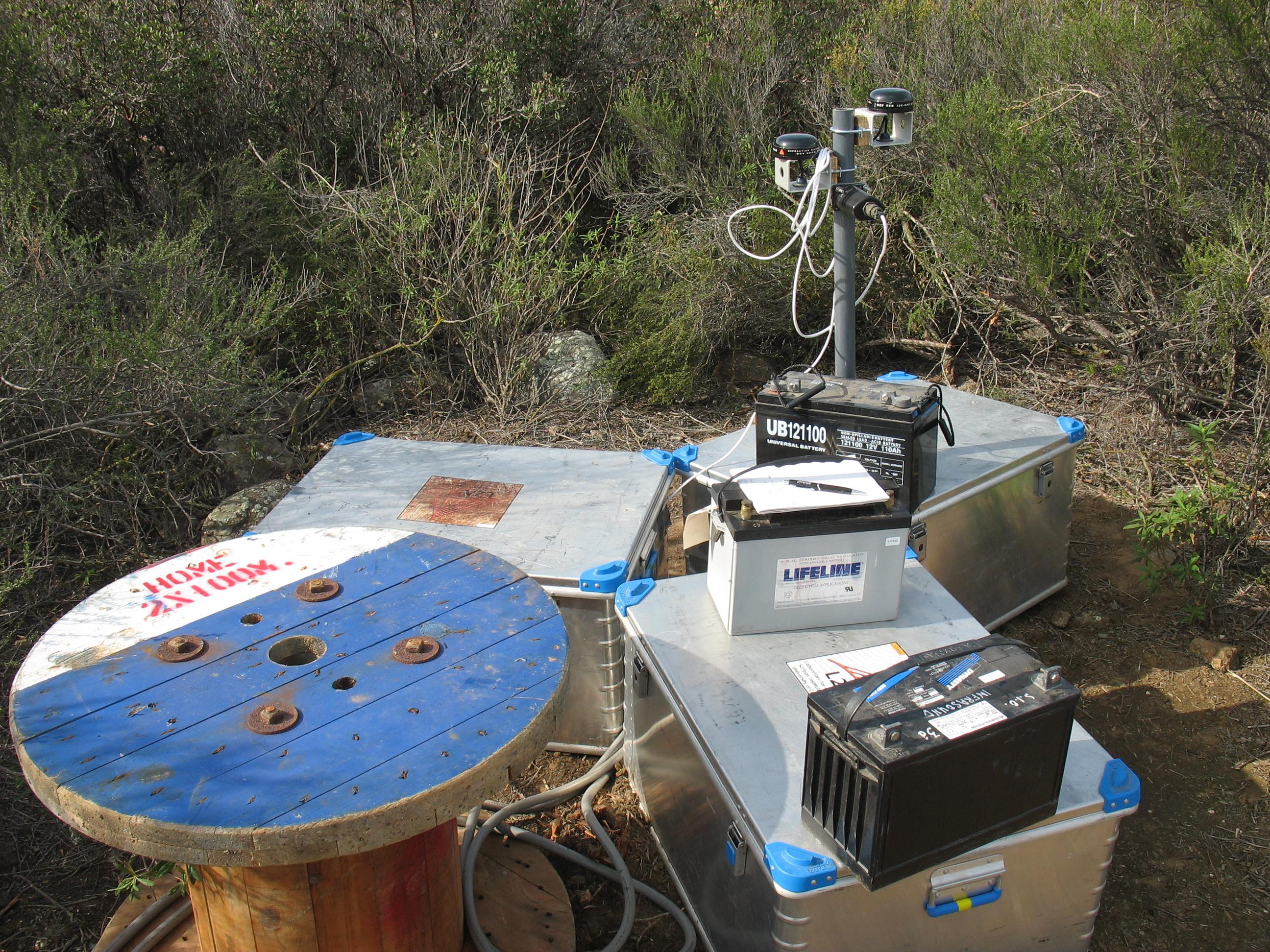
SMIAR - Santa Margarita Infrasound Array
Southern California is acoustically noisy. This noise comes from a
variety of natural and human sources. Researchers at SIO/IGPP are
interested in this noise, which in part comprises low-frequency
sound waves called "infrasound" and gravity waves in the 0.001 -
10 Hz frequency band.
 June 24, 2010
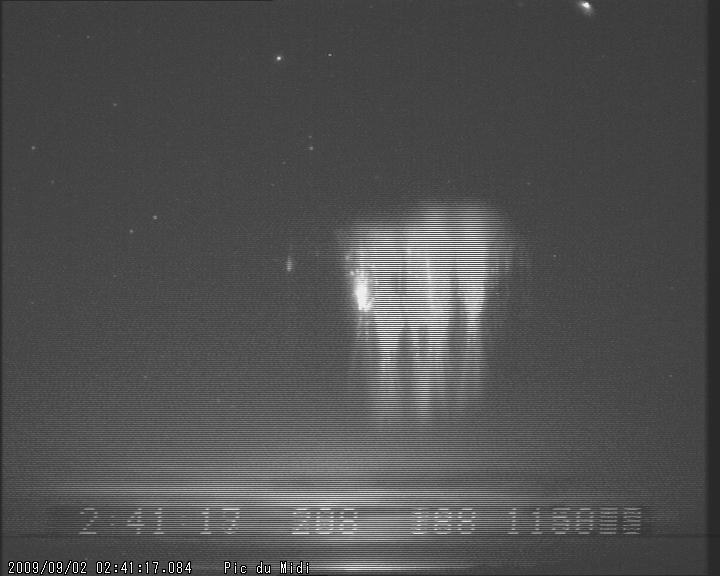
First Sprites observed by the new global network supported at Piñon
Flat by HPWREN
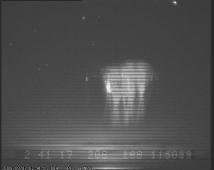
Researchers from the University of Bath, England, deployed a
four-station global network to study sprites with sites at Piñon
Flat in California, Sutherland in South Africa, Canberra in Australia
and Eskdalemuir in Scotland.
 June 14, 2010
TeacherTECH LIVE workshop at the San Diego Supercomputer Center
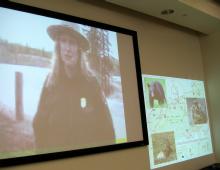
On a fine Saturday morning, May 15th at the San Diego Supercomputer
Center, the High Performance Wireless Research and Education Network
(HPWREN), San Diego State University (SDSU) Field Stations Program
and three National Park Service (NPS) Research Learning Centers
collaboratively led a TeacherTECH LIVE workshop.
 June 11, 2010
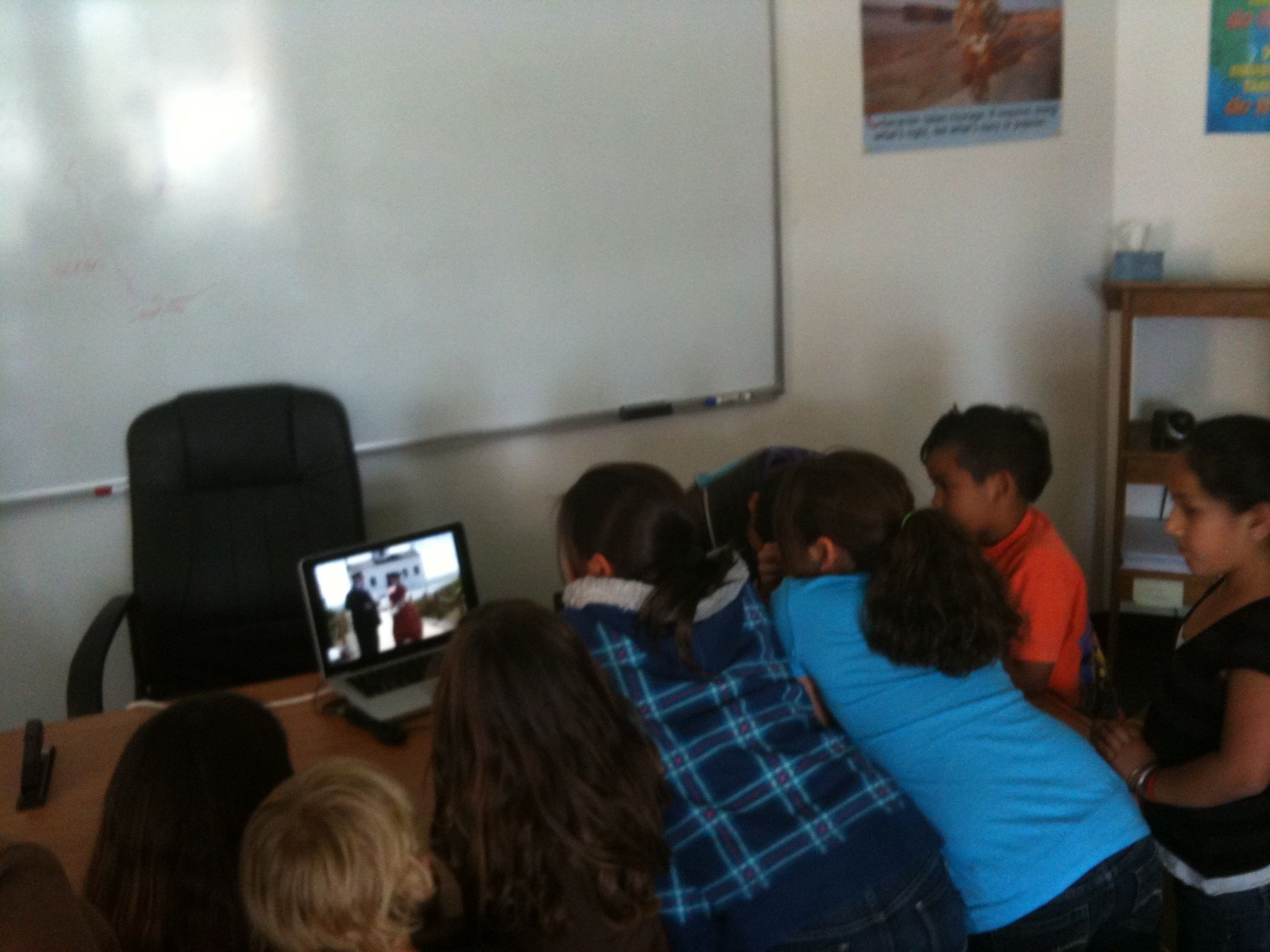
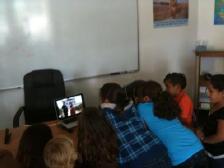
Pala Learning Center Youth Visit Old Point Loma Lighthouse at
Cabrillo National Monument via HPWREN LIVE
On June 2, the Pala Learning Center hosted an HPWREN LIVE (Live
Interactive Virtual Explorations) activity for approximately 20
elementary school children. The Learning Center provides an array
of resources for the Pala Native American reservation community.
 June 3, 2010
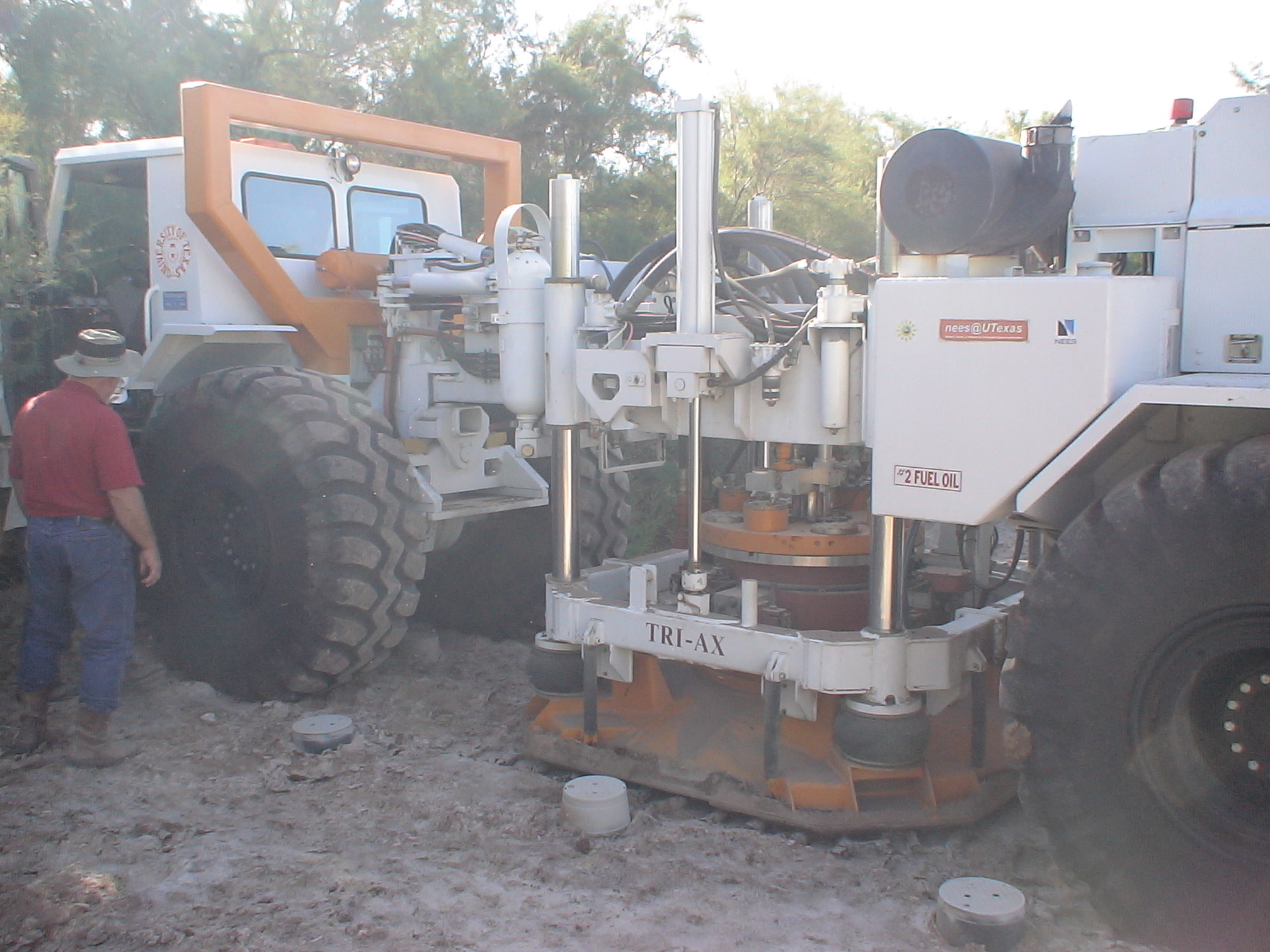
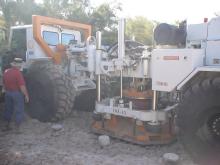
NEES@UCSB conducts live testing via HPWREN at the Wildlife
Liquefaction Array in Imperial Valley
On Tuesday, May 25th, the HPWREN network held up to a windstorm of
traffic when live testing was conducted at the NEES@UCSB Wildlife
Liquefaction Array in the Imperial Valley. The Network for Earthquake
Engineering Simulation is a National Science Foundation Major
Research and Equipment Facilities Construction grant that includes
fourteen universities from Troy, New York to San Diego, California.
 May 26, 2010
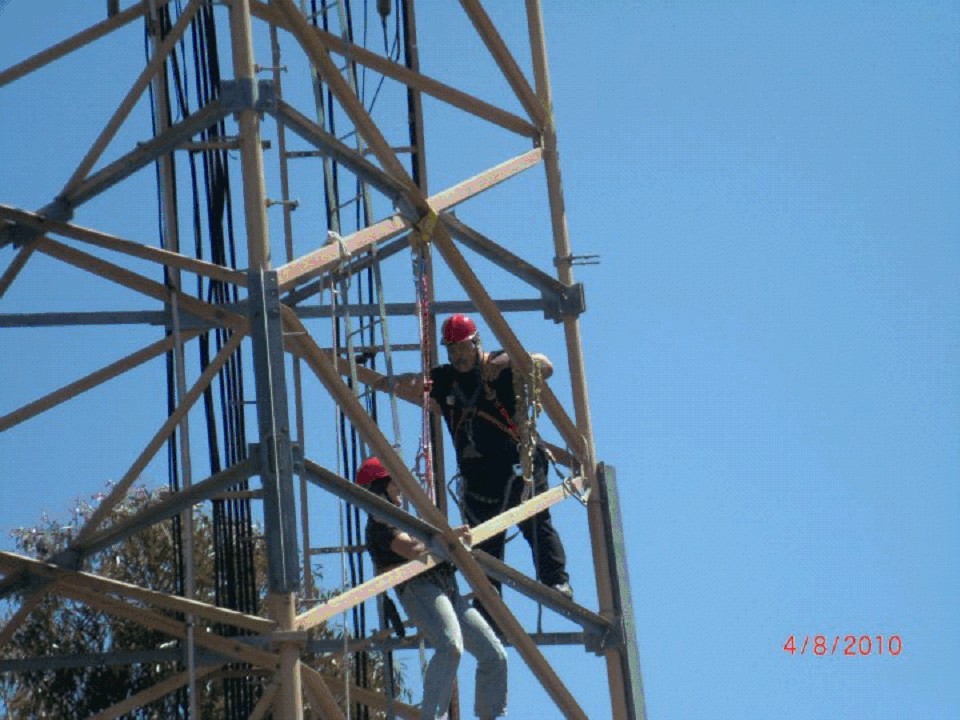
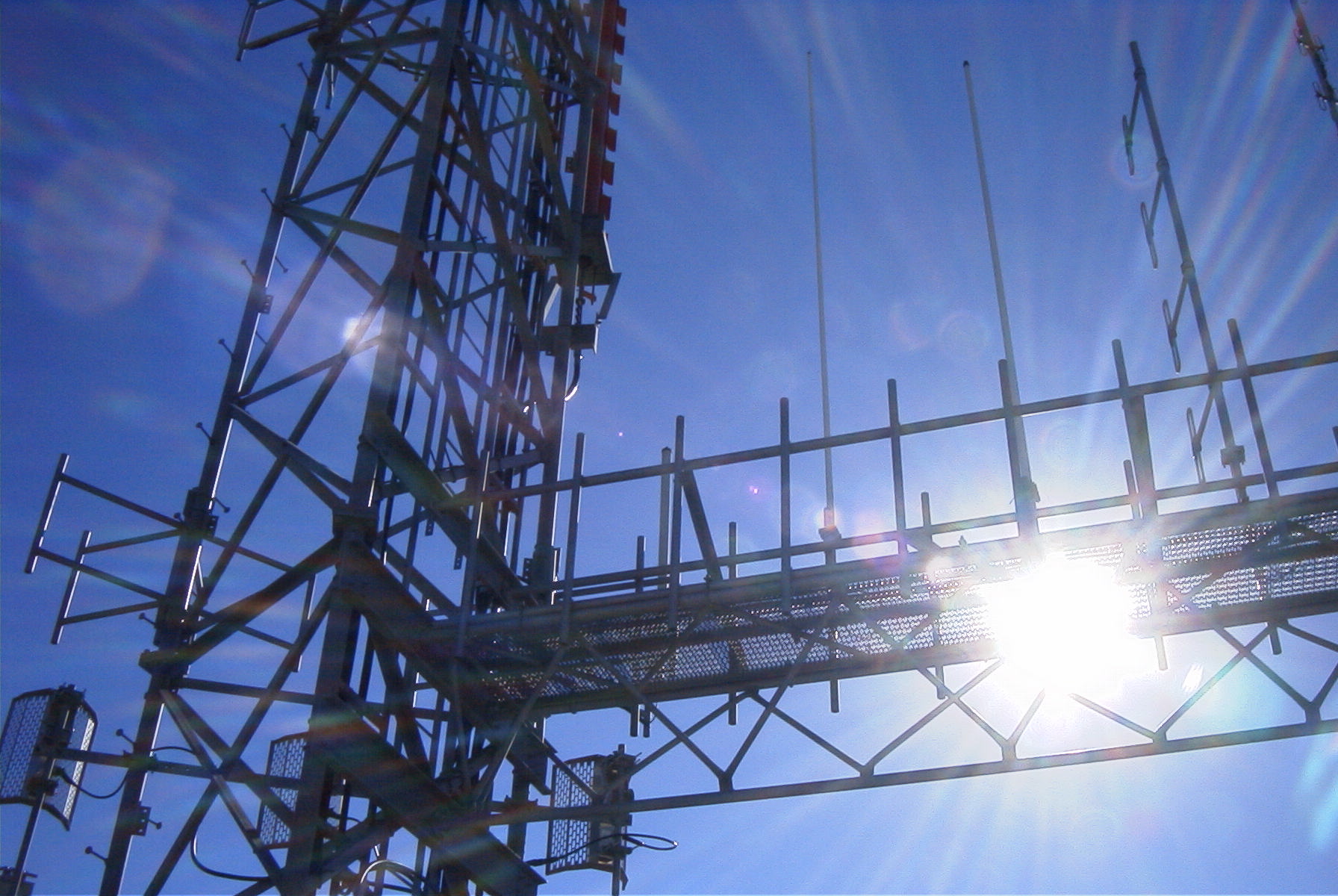
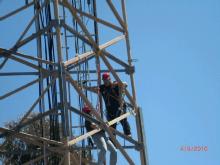
Tower training class for National Park Service collaborators
Over two beautiful spring days in sunny San Diego, HPWREN's Jim
Hale led a Tower Climbing and Safety Course for the National Park
Service's Mediterranean Coast Network.
 May 24, 2010
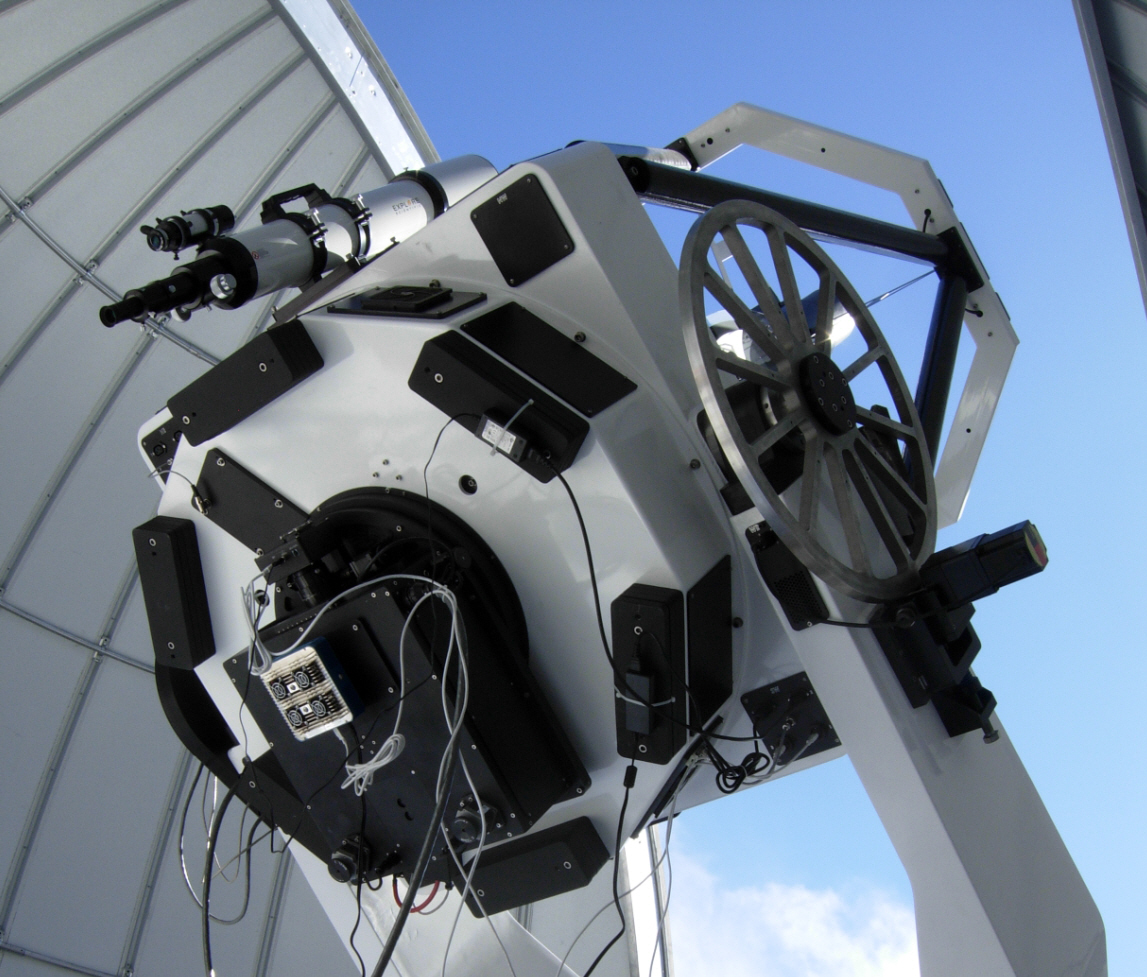
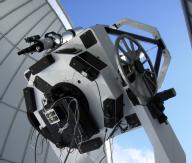
New Telescope for SDSU's HPWREN-connected Mount Laguna Observatory
San Diego State University will soon see the addition of a larger
telescope at its Mount Laguna Observatory. The new telescope will
have an aperture of 1.25-meters (50-inches) and is expected to be
in operation in a year and a half.
 April 14, 2010
HPWREN led an installation to expand the wireless network at Cabrillo
National Monument
Wireless radios and an access point at the lighthouse keeper's
quarters will enable staff to conduct LIVE living history programs
from the lighthouse, assistant keeper's quarters, and surrounding
grounds. The goal of the installation was to mount the access point
and radio, with minimal impact to the building and its aesthetics.
 April 13, 2010
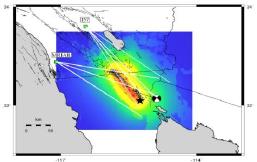
A New Tool for Creating Ground Shaking Intensity Maps?:
Infrasonic Observations of Ground Shaking along
the 2010 Mw 7.2 El Mayor Rupture
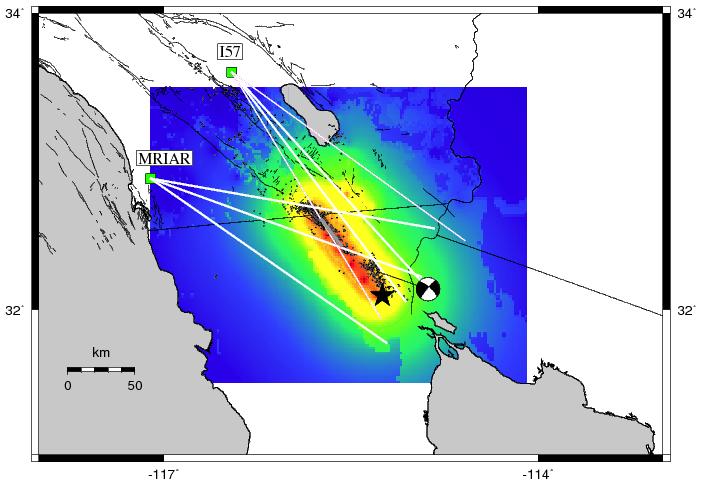
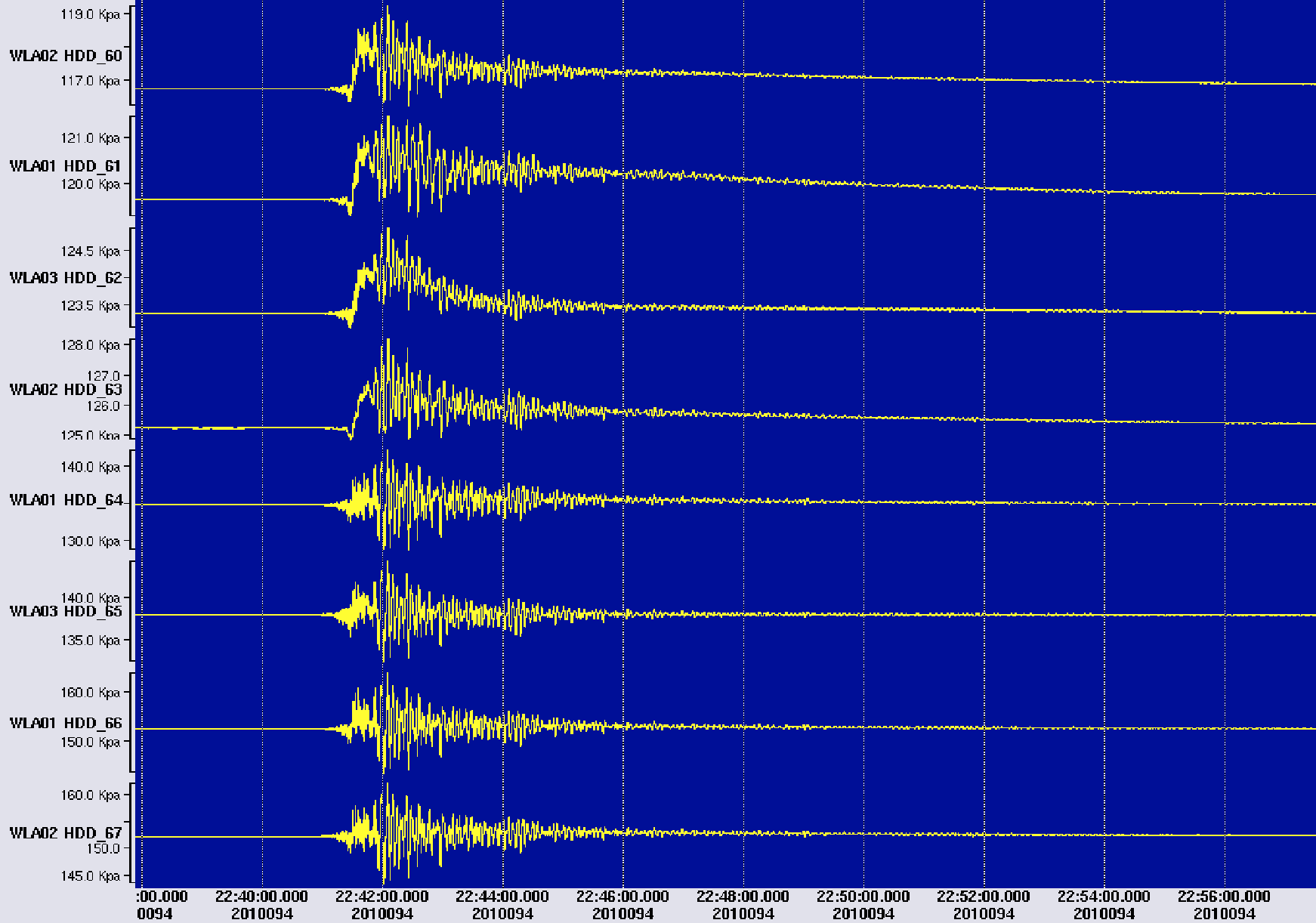
The Mw 7.2 earthquake in northeast Baja California, Mexico generated
respectable seismic waves. The shaking in the vicinity of the rupture
also radiated low frequency sound waves that were detected at least
125 miles away by two sensitive infrasound arrays operated by the
Laboratory for Atmospheric Acoustics (L2A) at UCSD.
 April 12, 2010
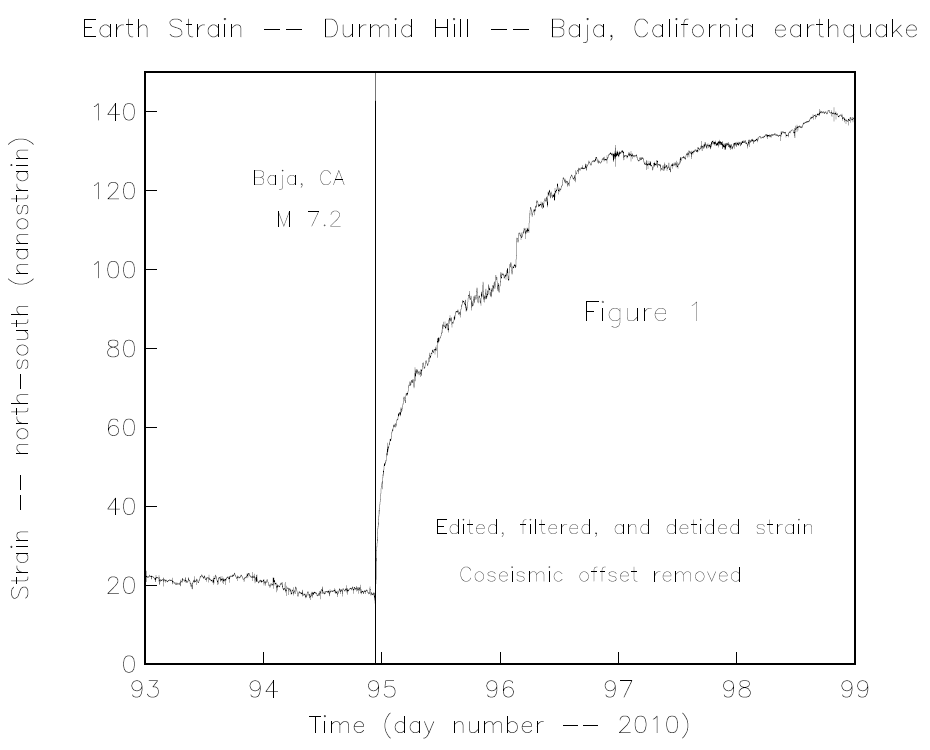
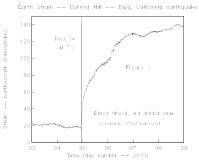
Longbase Strainmeter Recordings of Baja California Earthquake
The recent Baja California earthquake (M 7.2) resulted in broad-scale
deformation of the earth in the border regions of California and
Mexico. Of particular concern immediately following this event was
the possibility that the Baja earthquake might lead to the triggering
of an even larger event on the faults extending into the highly populated
regions of Mexico and California.
 April 9, 2010
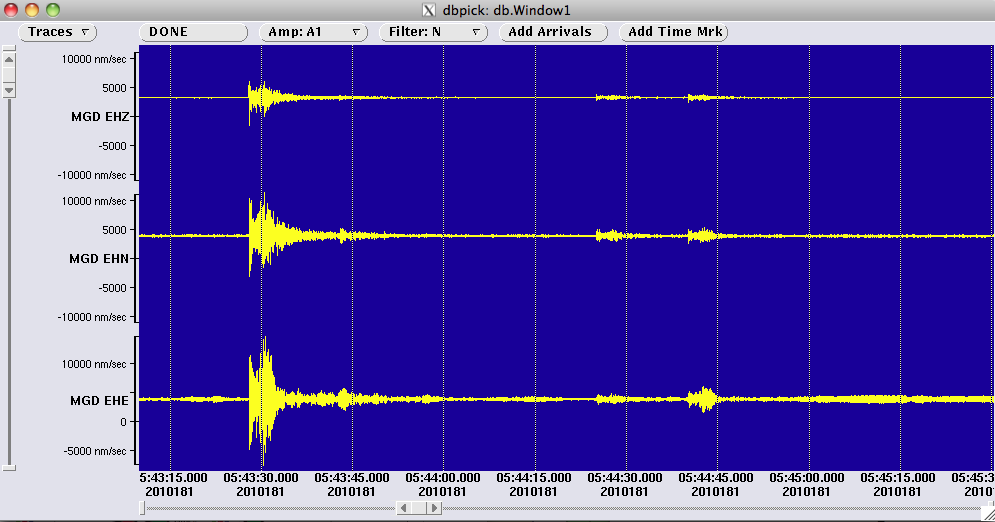
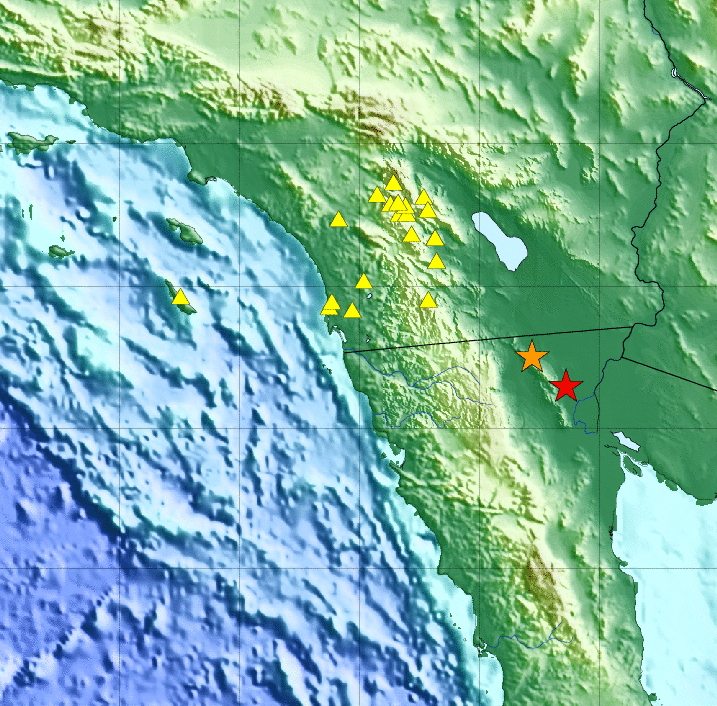
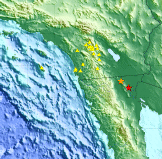
SIO/ANZA: Magnitude Mw 7.2 (ml 6.9) quake near Guadalupe Victoria,
Baja California Norte, Mexico
The Anza group at the University of California San Diego operates
a broadband seismograph network via HPWREN, consisting of 17 three
component broadband seismograph stations centered near Anza,
California. The epicentral distance (i.e. the distance separating
the epicenter and the closest station in the recording network) for
Anza is 141 km (1.27 degrees).
 April 8, 2010
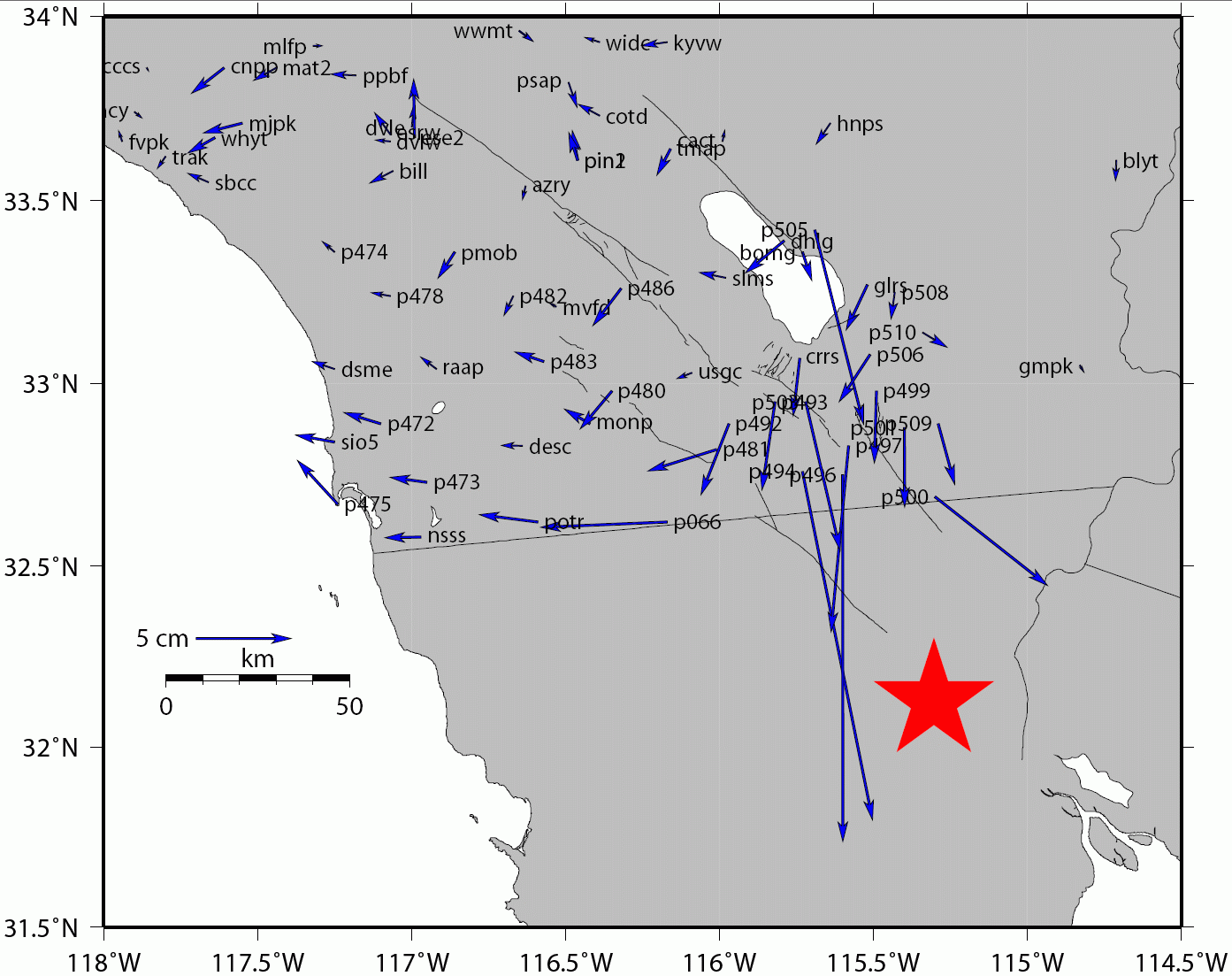
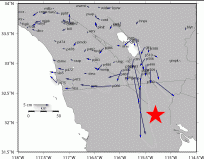
Ground displacement measurements from the Magnitude 7.2 earthquake in
Baja California on April 4, 2010
The California Real Time Network (CRTN) is a network of about 130
continuous GPS receivers operated by a number of agencies. Many
of the data streams flow through HPWREN, in particular the ones in
Imperial and San Diego Counties, which were closest to the epicenter
of the April 4 M7.2 Sierra El Mayor earthquake.
 April 7, 2010
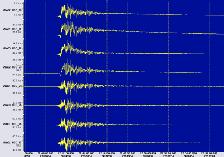
Magnitude 7.2, Baja California, April 4, 2010
A major earthquake occurred at 3:40:40 PM on Easter Sunday, April
4, 2010. The magnitude 7.2 event occurred 83 km (39 miles) SSE of
Calexico, California, in Baja Mexico and was 110 km (68 miles) from
the Wildlife Refuge liquefaction field site. The site was fully
operational, including real-time data streaming via the HPWREN
wireless network. The UC Santa Barbara projects are one of the
most intensive data generators on HPWREN.
 April 6, 2010
Found via the Palomar Observatory while using HPWREN: Measuring a
Monstrous Supernova - On the trail of a strange stellar beast
A rare Type Ia supernova whose progenitor star had a mass some two
and a half times that of our sun - much more mass than a Type Ia
progenitor should be able to accumulate before it explodes - has
led members of the Nearby Supernova Factory based at Berkeley Lab
to model a collision of two white dwarfs. They have the evidence
to back up the model.
 March 17, 2010
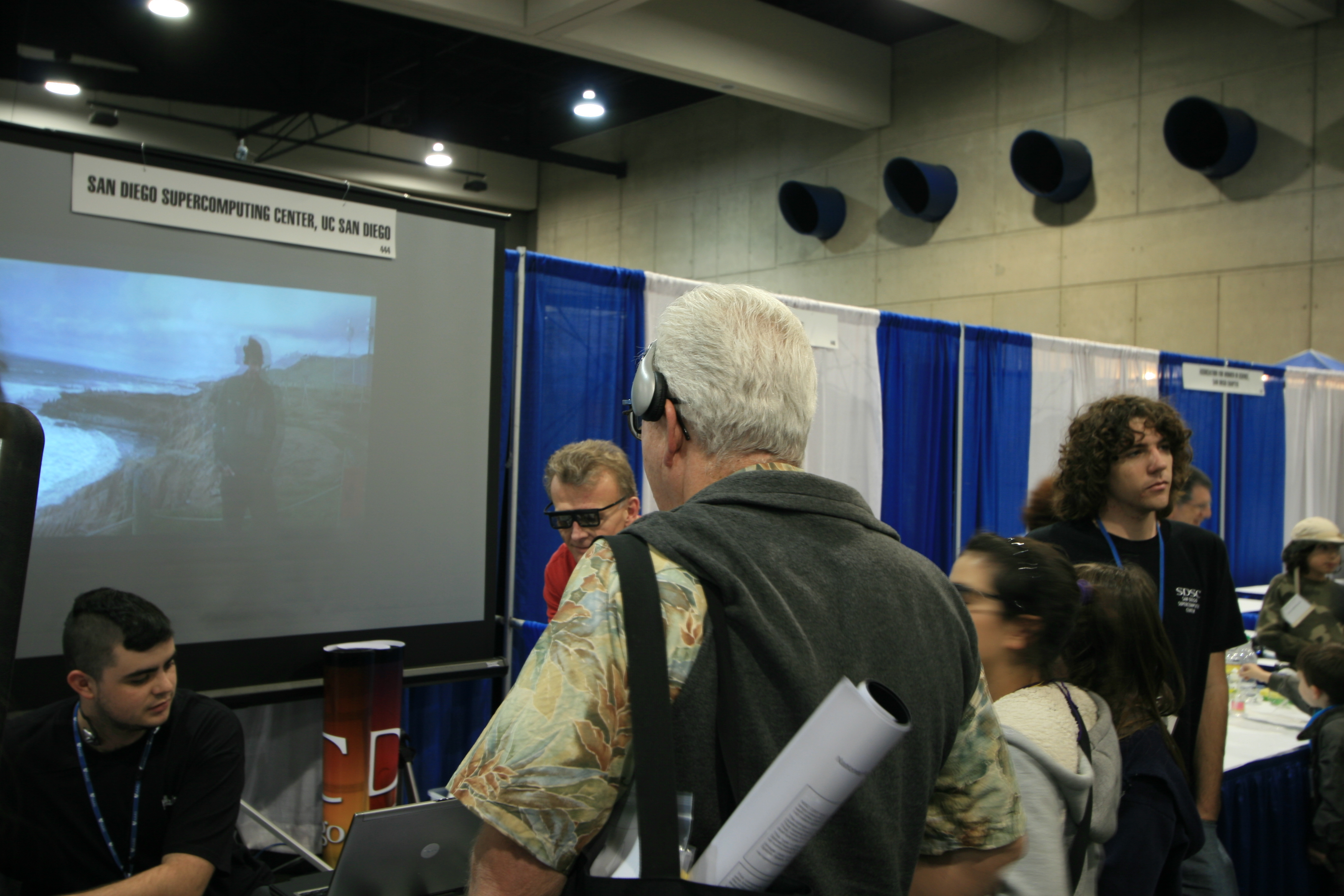
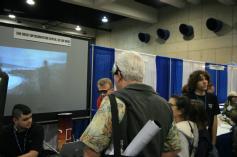
SDSC shows real-time 3-D video during AAAS event
HPWREN and the SDSC Education group tested low-cost 3-D real-time
video sessions with attendees at the 2010 AAAS Conference Family
Science Days on February 20-21.
 February 3, 2010
Ten Years of Reducing The Gap: Bringing Speed and
Reach to Remote America
HPWREN's origins are now more than ten years in the past, with a
first actual site survey by the team having been at Mount Woodson
on February 3, 2000. This is a short summary about the HPWREN
project.
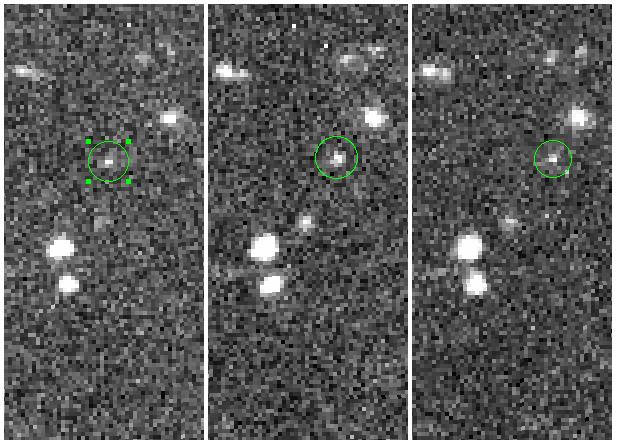
 January 8, 2010
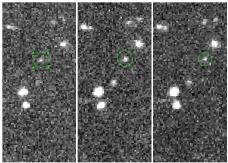
Yale University uses an "HPWREN-South" to discover new astronomical
objects
Yale University is now operating the 160 megapixel camera full-time
on the 1.0-meter ESO Schmidt telescope at La Silla in Chile. Last
December, four new distant objects were detected, including 2009
YE7, which is a likely new dwarf planet near the size of Quaoar.
previous year -
next year
|